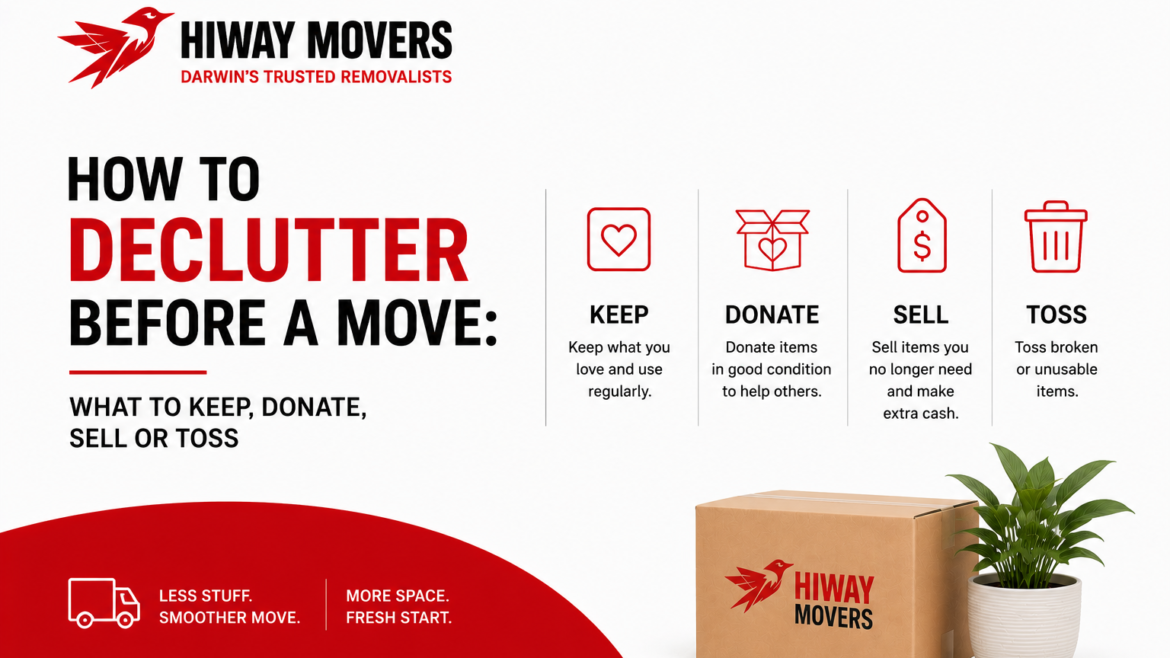
Moving provides the perfect opportunity to evaluate everything you own and decide what truly deserves space in your new home. Decluttering before relocating reduces moving volume, lowers costs, and ensures your new place contains only items you genuinely want. Many people hire a decluttering service to guide this process systematically. Whether you choose professional guidance or tackle decluttering independently, understanding how to categorize belongings makes the decision-making process straightforward. This comprehensive guide walks through four decision categories: keep, donate, sell, and toss. Each category serves specific purposes within your overall decluttering strategy. By the end, you’ll understand exactly how to evaluate every possession and make confident decisions about what moves with you.
Quick Navigation – Table of Contents
- Understanding the Decluttering Service Approach
- The Keep Decision: When to Hold Onto Items
- The Donate Choice: Finding Decluttering Service Alternatives
- The Sell Decision: Turning Items Into Cash
- The Toss Category: Items That Must Go
- Creating Your Decluttering Service Strategy
- Room-by-Room Decluttering Service Checklist
Understanding the Decluttering Service Approach and Framework
Professional decluttering service providers use systematic frameworks helping homeowners make logical decisions. Rather than sorting randomly, experienced services follow proven methodologies ensuring nothing valuable gets discarded accidentally. Most decluttering service professionals ask key questions about each item: Do you use this regularly? Does it fit your lifestyle? Would you buy it again today? These questions reveal whether items truly belong in your life or simply represent sunk costs you’re maintaining out of guilt.
Many Darwin families discover that consulting a decluttering service transforms what feels overwhelming into manageable process. Professional decluttering service experts bring objectivity you can’t provide yourself. They’ve helped thousands through this process and understand psychological attachments that prevent letting go. Whether you hire professional services or apply their frameworks yourself, systematic evaluation prevents both careless discarding and excessive retention.
The Keep Decision: When to Hold Onto Items
Identifying items worth keeping requires honest evaluation of your actual lifestyle and genuine preferences. Keep items you use regularly and that make your daily life better. Kitchen tools you use weekly deserve space. Books you actually read should move with you. Clothing that fits properly and makes you feel confident is worth keeping. Hobby supplies for activities you actively pursue are keepers.
Keep sentimental items with genuine meaning. Family heirlooms, children’s artwork, and photographs connecting you to important people and memories justify moving costs. However, evaluate sentimental items carefully. Keeping every school paper, grade school artwork, and childhood possession often leads to excessive clutter. Instead, keep representative samples creating a meaningful collection without overwhelming volume. This balanced approach honors memories without requiring moving entire closets of sentimental items.
The Donate Choice: Finding Good Decluttering Service Options
Donating unwanted items serves others while clearing your home. Quality items you don’t use often find grateful recipients through charities. Clothes that no longer fit, books you’ve finished reading, and kitchen gadgets you don’t use represent donation candidates. Local Darwin charities accept household items regularly. Many offer pickup services for larger donations, eliminating transport logistics you’d otherwise manage.
Research reputable organizations accepting donations in your area. Salvation Army, St Vincent de Paul, and local community centers often welcome household items. Some organizations provide tax deductible receipt documentation benefiting your finances. Donating eliminates guilt about discarding usable items while ensuring others benefit. This satisfying approach to decluttering provides emotional reward beyond simply throwing things away. Many families report that donating possessions they no longer need creates genuine joy knowing someone else will appreciate those items.
The Sell Decision: Turning Unwanted Items Into Cash
Selling items generates moving funds offsetting relocation costs. Quality furniture, electronics, sporting equipment, and designer clothing often sell successfully online. Facebook Marketplace, Gumtree, and eBay provide platforms reaching interested buyers. Pricing items competitively ensures quick sales. Overpriced items languish unsold, consuming energy and space you need for moving preparations. Be realistic about condition and market value. Items used for years typically command less than original purchase prices.
Factor effort and time into selling decisions. Simple sales on local marketplace apps work well. Items requiring shipping or extensive negotiations consume time you need for moving preparations. Sometimes donating items instead of spending weeks selling them represents wiser time management. Evaluate whether profits justify your time and effort. Selling several high-value items often generates substantial moving funds while avoiding excessive time investment in numerous small sales.
| Item Category | Keep If | Donate If | Sell If | Toss If |
|---|---|---|---|---|
| Clothing | Fits properly, worn regularly | Out of style, doesn’t fit | Designer labels, barely worn | Damaged, stained, worn thin |
| Kitchen Items | Used weekly, functional | Redundant or duplicates | Quality, newer appliances | Broken, missing pieces |
| Books | Read frequently, reference | Completed, rarely reread | Rare editions, collectible | Damaged, outdated references |
| Furniture | Fits space, actually use | Functional, unwanted style | Quality, desirable styles | Broken, severely damaged |
The Toss Category: Items That Must Go
Some items don’t deserve space in your new home. Broken items beyond repair should be discarded. That toaster that hasn’t worked in years? Toss it. Clothes so damaged they’re unwearable? Throw them away. Expired medicines, dried-up paint cans, and non-functional electronics belong in trash. These items cost money to move while serving no purpose in your new space. Be ruthless with this category. Moving broken items wastes precious truck space and money.
Hazardous materials require proper disposal. Paint, chemicals, and batteries shouldn’t go in regular trash. Check Darwin’s hazardous waste disposal options. Many communities offer special disposal days for these materials. Paints, solvents, and cleaning supplies often contain materials harmful to environment. Properly disposing these items protects water systems and soil. Taking time for proper disposal demonstrates environmental responsibility while clearing genuine waste items from your home.
Creating Your Decluttering Service Strategy Before Moving
Successful decluttering requires systematic strategy rather than random sorting. Start eight to ten weeks before your scheduled move. This timeline provides adequate time without creating overwhelming urgency. Begin with least sentimental categories like kitchen gadgets and tools. Working through easier decisions builds momentum for tackling emotionally complex items later. Establish designated zones for keep, donate, sell, and toss items. Physical separation prevents commingling and confusion as you progress through your home.
Work one room at a time rather than jumping between spaces. Complete kitchen decluttering before moving to bedrooms. This focused approach prevents chaotic halfway-done situations. Set realistic daily goals. Decluttering one to two hours daily feels manageable rather than overwhelming. Many people find weekend afternoon sessions work well. Create accountability by involving family members in decision-making, especially regarding shared items. Children often take ownership when their voices are heard in decluttering decisions.
Room-by-Room Decluttering Service Checklist
Approaching decluttering room-by-room prevents overwhelm and ensures thoroughness. Bedrooms first: evaluate clothing realistically, keep only comfortable furniture you actually use, assess books and decorative items. Bathrooms next: expired medications must be discarded, duplicate toiletries don’t justify moving, old beauty products contribute nothing. Kitchens require particular attention: redundant utensils and tools, damaged cookware, equipment you never use. Living areas: evaluate furniture serving actual function versus pieces taking space, assess entertainment items and decorations. Storage areas including closets and garages often contain surprising amounts of forgotten items deserving ruthless evaluation.
For detailed guidance on protecting remaining items during transport, our article on protecting fragile items during relocation provides comprehensive strategies. Decluttering combined with proper packing protects your belongings throughout the moving process. By reducing volume first through careful decluttering, you create more manageable relocation logistics. Professional movers report that thoroughly decluttered moves proceed more smoothly than those including excessive unwanted items.
Decluttering Pro Tip: Take before photos of your fully furnished home. After completing decluttering, compare the transformed space. The visual difference motivates continued decisions and demonstrates positive progress throughout the process.
Ready to Declutter and Move? Hiway Movers Can Help
Decluttering prepares your belongings for efficient moving. After you’ve sorted keep versus donate versus sell versus toss items, professional movers handle transport seamlessly. Hiway Movers serves all Darwin suburbs including Casuarina, Nightcliff, The Gardens, Fannie Bay, Larrakeyah, and Howard Springs. Our experienced team works with decluttered households, ensuring organized moves without excessive belongings complicating logistics.
Contact us today to discuss your specific relocation needs. We provide guidance on moving your carefully curated possessions to your new Darwin home. Professional moving support transforms decluttering efforts into successful relocations. Let’s schedule your consultation and booking.
Book Your Move Today Call 0436 843 666Connect With Us
Follow Hiway Movers for moving tips and relocation advice:
Decluttering Creates Better Moves and New Beginnings
Systematic decluttering transforms your moving experience from chaotic to organized. Evaluating every possession ensures your new home contains only items genuinely serving your life. Keeping meaningful possessions, donating usable items to those needing them, selling valuable goods, and discarding broken items creates thoughtful categorization. This structured approach prevents both careless discarding and excessive retention.
Decluttering service frameworks provide systematic methodology whether you hire professionals or apply principles independently. Starting eight to ten weeks before moving provides adequate time. Working room-by-room prevents overwhelm. Involving family members ensures buy-in and collaborative decisions. The result is lighter volume, lower moving costs, and confident fresh start in your new Darwin home.
Your successful decluttering combined with professional moving from Hiway Movers creates ideal relocation scenario. We respect your thoughtfully curated possessions and transport them safely. Contact us today to book your move following decluttering completion. Follow us on TikTok at Hiway Movers Official for more decluttering strategies and moving advice from Darwin families.
FAQs: Decluttering Questions Answered
How long should decluttering before moving take?
Start decluttering eight to ten weeks before your scheduled move. This timeframe provides adequate time without creating overwhelming urgency. Most households complete thorough decluttering working one to two hours daily across this period. Rushing decluttering often leads to poor decisions. Taking adequate time ensures thoughtful evaluation without careless mistakes.
What’s the best way to handle sentimental items?
Keep sentimental items with genuine meaning while being selective about volume. Family heirlooms and meaningful photos deserve space. Instead of keeping entire collections of childhood items, select representative pieces creating meaningful collections. Create photo albums documenting items you’re releasing, preserving memories without physical clutter. This balanced approach honors meaningful items without requiring excessive moving volume.
Should I try selling items or just donate?
Factor effort and time into selling decisions. High-value items like furniture and electronics often sell successfully. Multiple small items consume time you need for moving preparations. Sometimes donating instead of spending weeks selling represents wiser time management. Evaluate whether profits justify your time and effort. Quality donations provide emotional reward while clearing items efficiently.
How do I dispose of hazardous materials properly?
Never throw paint, chemicals, or batteries in regular trash. Check Darwin’s hazardous waste disposal options. Many communities offer special disposal days or facilities accepting these materials. Contact your local council for guidance on proper disposal. Environmental protection requires proper handling preventing contamination of water systems and soil.
Can I store items I’m not sure about?
Storing undecided items defeats decluttering’s purpose. Make honest decisions rather than deferring choices. If you haven’t used something in one year, you likely don’t need it. Trust your instincts about whether items genuinely serve your life. Storing uncertain items costs money and space while perpetuating indecision. Complete decluttering creates mental clarity and smooth transitions to your new home.