
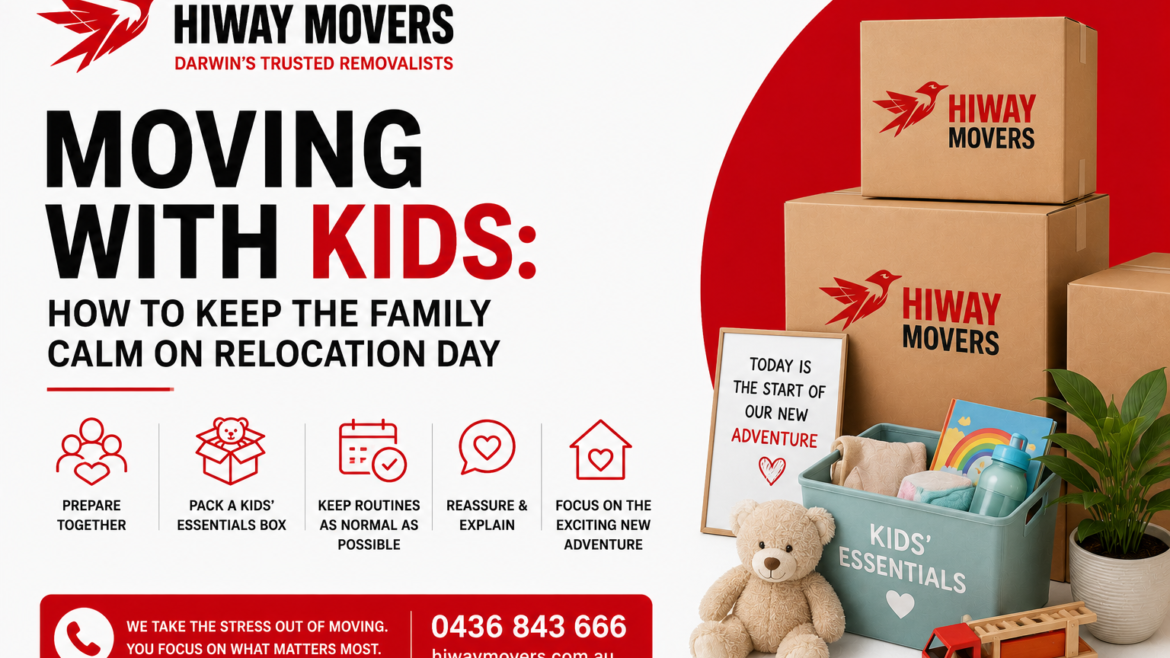
Moving with children transforms what might otherwise be a straightforward logistical challenge into an emotional journey that affects your entire family. A relocation represents more than just changing physical locations. It means new schools, new friends, new routines, and significant disruption to the comfort and stability children depend on. Kids experience relocation differently than adults. While you’re excited about new opportunities or a nicer home, your children might feel anxious about leaving behind their familiar world. The good news is that relocation doesn’t have to be traumatic. With proper planning, thoughtful communication, and strategic support from experienced professionals, you can help your children navigate moving day with significantly less stress. This comprehensive guide explores proven strategies to keep your family calm during relocation, from preparation weeks in advance to managing emotions on moving day itself, ensuring that everyone arrives at your new home feeling safe and ready for the next chapter.
Why Moving With Children Presents Unique Challenges
Understanding How Kids Experience Moving Differently
Moving with kids introduces complexities that childless relocations don’t involve. Children lack the cognitive and emotional frameworks that help adults understand why moving is necessary. They don’t grasp concepts like career advancement, better school districts, or investment opportunities. Instead, they experience moving primarily through the lens of loss.
They’re leaving behind their bedroom with familiar posters, the neighborhood where they ride bikes, and the schools where they’ve built friendships. For young children, these aren’t just physical spaces. These environments represent their entire world. The anxiety they feel isn’t disobedience or resistance. It’s genuine fear about unknown change combined with grief over loss of the familiar. Understanding this emotional reality helps you approach moving with empathy rather than frustration.
Different Ages, Different Moving Stress
Different age groups experience moving stress differently. Toddlers and preschoolers struggle with disruption to routines. They don’t understand why their toys are packed or why the house looks different. This age group needs extra reassurance and consistency.
Elementary school children often experience moving as a social catastrophe. They worry about making new friends and fitting in at a new school. Tweens and teenagers add identity concerns to friendship anxiety. They’ve developed deeper connections to their community. Moving away means starting over socially at an age when social acceptance feels critically important. Each age group requires different strategies for managing moving anxiety.
Preparing Your Kids Ahead of Time for Your Relocation
Starting Conversations Early About the Move
The foundation for reducing moving-day stress is laid weeks before the actual move. Starting conversations about the move early gives kids time to adjust psychologically. Avoid springing a major move announcement on children without warning.
Sit down during a calm moment when everyone can talk without distractions. Explain why you’re moving in age-appropriate language. Younger children benefit from simple explanations like “We’re moving to a new house that’s closer to your new school.” Older children and teenagers can understand more detail about the reasons behind the move. Encourage questions and listen carefully to their concerns. Their worries deserve serious attention even if their fears seem silly to you.
Creating Visual Connections to the New Place
Creating a visual connection to the new place helps children feel less anxious. Visit the new home together if possible, showing each child their new bedroom. Explore the neighborhood together. Take photos or videos they can look at repeatedly.
If you can’t visit in person, use Google Street View or photos from the real estate listing. Talk positively about features of the new home without dismissing concerns about what they’re leaving behind. Acknowledge that they’ll miss their old house while emphasizing exciting aspects of the new place. Involve children in planning their new bedroom setup. Let them choose colors, posters, and furniture arrangements. This gives them agency and transforms a space that currently belongs to strangers into a personal space they’ve helped design.
Creating a Moving Day Plan That Reduces Stress
Arranging Childcare or Safe Spaces During the Move
Moving day chaos amplifies children’s anxiety exponentially. When surrounded by boxes, furniture being carried out, and unfamiliar people in their home, kids become anxious because adults are visibly stressed. Creating a structured plan that keeps children sheltered from chaos dramatically reduces their anxiety.
Ideally, consider arranging childcare for part of moving day. Having a trusted family member or friend take children to their house, a park, or a fun activity removes them from the stressful environment. If childcare isn’t possible, establish a calm area in your new home where children stay with a responsible adult. Stock this area with activities, entertainment, snacks, and comfort objects that occupy their attention without requiring adult supervision.
Establishing a Timeline and Survival Kit
Establish a detailed timeline for moving day that everyone understands. Tell children when moving trucks arrive, when the move will be complete, and when you’ll have breaks. Uncertainty increases anxiety far more than discomfort does.
Build in several breaks throughout the day when everyone pauses activity and reconnects. Pack a moving day survival kit containing snacks, water, phones and chargers, medications, games, books, headphones, favorite stuffed animals, and comfort items. This kit ensures you have immediate access to items that help manage children’s needs regardless of where boxes end up.
Entertainment and Distraction Strategies During Relocation Activities
Age-Appropriate Activities for Different Children
Professional movers appreciate having children occupied and relatively out of the way. Strategic entertainment keeps kids engaged and prevents them from becoming anxious. For younger children, activities should be simple and contained. Coloring books, sticker books, age-appropriate movies, and audiobooks work well.
Set up a craft station where children can create decorations for their new room. This activity occupies their time while producing something positive they can feel proud of. For school-age children, more complex activities work better. Building sets, puzzle books, video games with headphones, and reading can occupy hours. Some families create a scavenger hunt of items to find in the new house once they arrive.
Technology and Reward Strategies
Technology offers excellent distraction options during moving day. Downloaded movies, shows, or episodes on tablets can keep children engaged for hours without relying on internet. Audiobooks designed for children provide entertainment while often being educational.
Set generous screen time limits on moving day. This isn’t a day to worry about limiting device usage. A little extra screen time keeps your family functioning smoothly. Some families create a special moving day playlist with songs children love. Plan special treats or rewards for children who handle the move well. Simple rewards like choosing dinner or special activity time with parents give children something positive to focus on.
| Age Group | Best Entertainment Options | Emotional Support Focus | Timing Recommendations |
|---|---|---|---|
| Toddlers (1-3 years) | Familiar toys, coloring, simple music, picture books | Frequent reassurance, minimize separation from parent | Short activity blocks, frequent breaks |
| Preschool (3-5 years) | Sticker books, crafts, simple building toys, movies | Explain what’s happening, validate concerns, maintain routines | 20-30 minute activities, consistent snack times |
| Elementary (5-11 years) | Video games, puzzles, reading, building sets, art projects | Answer questions honestly, emphasize positive aspects, give responsibility | Longer activities (45-90 minutes), regular check-ins |
| Tweens/Teens (11+ years) | Video games, movies, music, social media, reading, devices | Respect privacy, involve in decisions, acknowledge feelings | Longer blocks with breaks, limited parental hovering |
Managing Emotions and Stress on the Big Relocation Day
Preventing Emotional Meltdowns Through Basic Care
Emotional regulation becomes critical on moving day when tired, stressed children can melt down suddenly. Understanding what triggers children’s stress helps you prevent unnecessary emotional crises. Hunger, exhaustion, overstimulation, and feeling out of control all contribute to emotional dysregulation. Prioritize basic needs throughout moving day.
Feed children regular, nutritious snacks even if mealtimes are irregular. Ensure adequate sleep the night before moving day. Maintain familiar sleep routines as much as possible. Avoid overscheduling activities the night before a move. Children need calm, consistent evenings before major change. Some children benefit from medication adjustments on moving day if they take anything for anxiety or ADHD. Discuss this possibility with their doctor well in advance.
Validating Emotions and Creating Closure
Give children appropriate responsibilities and control within the chaos. Allowing them to pack their own bedroom box or choose items for their moving day backpack gives them agency. This transforms moving from something happening to them into something they’re participating in.
Validate children’s difficult emotions without dismissing them. If your child is tearful about leaving their old house, resist saying “Don’t be sad, our new house will be better.” Instead, say “I know you’re sad about leaving this house. It was special to you.” Create transition rituals if possible. Taking a final photo on the porch of the old house or leaving a note for new residents gives children closure. These small ceremonies help children process change rather than simply abandoning a meaningful place.
Making Your New Home Feel Like Home After Moving
Establishing Immediate Comfort and Routines
The move isn’t over when the moving truck leaves. Children continue processing the relocation for weeks or even months afterward. The transition period in the new home significantly impacts how children adjust overall. Prioritize unpacking children’s bedrooms first, even if other rooms remain in boxes.
Familiar surroundings and personal belongings help children feel secure. Set up their beds with familiar bedding, hang posters they love, and arrange their room similarly to the old house if they prefer. Establish routines in the new home quickly. Even with boxes everywhere, create consistent meal times, bedtimes, and morning routines. Routines provide structure and predictability that children desperately need after moving disruption.
Managing Adjustment and Building New Connections
Children often regress slightly after moving, meaning younger behavior returns temporarily. This temporary regression is completely normal and usually resolves as they adjust. Patient, reassuring responses help children move through this adjustment phase faster than frustration.
Facilitate social connection in the new location immediately. Explore the neighborhood, locate playgrounds, and find libraries. Sign children up for activities or sports they enjoy so they can make friends with common interests. For school-aged children, help them prepare for the transition to a new school. Maintain connections with friends from the old location through video calls or occasional visits. Help children maintain connections to the old location while encouraging new friendships. Some children benefit from counseling or therapy during major transitions like moving.
Why Professional Moving Support Simplifies Everything
Professional moving companies play an underestimated role in successful family relocation. Beyond simply transporting furniture and boxes, professional movers reduce the stress and chaos that amplifies children’s anxiety. When you’re managing the logistics of hiring and coordinating movers, you have mental space to focus on your children’s emotional needs.
Professional movers handle heavy lifting safely, reducing injury risk and freeing you to be present with your family. They work efficiently, completing moves faster than amateur movers, which shortens the disruption period. Their experience means they solve problems without requiring your intervention, keeping the day running smoothly. They bring a calm, professional demeanor that children find reassuring. Professional movers are accustomed to working around families and understand the importance of maintaining the family’s functioning alongside their own work.
Real-Life Stories: How Darwin Families Successfully Navigate Moving With Children
Local families in Darwin have successfully managed moves with children of various ages. The Martinez family with three children aged four, seven, and ten planned their move to Casuarina by starting conversations three months in advance. They visited the new house together multiple times and visited the new school.
On moving day, they arranged for an aunt to take the two younger children to the zoo while the seven-year-old helped coordinate boxes with the professional movers. This gave him responsibility and purpose. The family reports that this approach transformed what could have been traumatic into a positive experience that their children still discuss fondly.
The Chen family with a sensitive two-year-old worked closely with professional movers to complete their move in a single morning. Grandparents kept the toddler at their house, limiting exposure to the chaos and maintaining consistent routines. Their son adjusted remarkably well despite his temperament. These families demonstrate that relocation challenges are manageable with thoughtful strategy and appropriate support.
Pro Tip from Experienced Darwin Families: Pack a “first night box” for each child containing pajamas, toiletries, a favorite stuffed animal, and one familiar toy or book. This box travels with you in the car rather than on the moving truck. When you arrive at your new home, unpacking this first night box helps children feel more comfortable immediately, making the first night in the new home feel less frightening.
Let Professional Movers Reduce Your Family’s Moving Stress
Moving with children doesn’t have to be overwhelming. Hiway Movers specializes in family relocations across Darwin. Our experienced team handles all physical logistics while you focus on keeping your family calm and supported. We serve families throughout Darwin including Casuarina, Nightcliff, The Gardens, and surrounding areas.
Whether you’re moving locally within Darwin or relocating from interstate, our professional approach minimizes disruption. We understand that moving families have unique needs beyond standard moving services. Our team works around children’s schedules and maintains calm professional demeanor that reassures anxious kids.
Let us handle the physical chaos while you provide emotional support to your children. Contact Hiway Movers today for a free consultation about your family move. Discover how professional support transforms moving from stress-filled challenge into manageable transition.
Book Your Family Move Today Call 0436 843 666Follow Us for More Family Moving Tips
Stay connected with Hiway Movers for expert moving advice and family relocation stories:
Your Family’s Successful Move Starts With Preparation
Moving with children challenges every family, but challenge doesn’t mean catastrophe. By understanding how children experience moving, preparing them thoroughly in advance, and creating structured moving day plans, you transform moving into a manageable transition. Children are more resilient than we often assume.
Given honest communication, appropriate emotional support, and the structure that professional moving services provide, kids adjust remarkably well. They develop resilience, flexibility, and adaptability that serve them throughout life. The strategies explored throughout this guide represent best practices from child psychology and real-world family moving experiences.
Pick and choose approaches that match your children’s temperaments and your family’s circumstances. There’s no single perfect approach to moving with kids. Start now by having conversations with your children about the upcoming move. Show them pictures of the new house. Create excitement alongside acknowledgment of what they’ll miss.
Most importantly, recognize that professional moving support isn’t a luxury. It’s a practical investment in your family’s wellbeing during transition. By outsourcing the physical moving work to professionals, you reclaim the mental and emotional capacity to support your children. Contact Hiway Movers today to discuss your family relocation. Let our experienced team handle logistics while you handle the emotional work. Follow us on TikTok at Hiway Movers Official for more family moving advice and relocation stories.
FAQs: Moving With Kids Questions Answered
At what age can children help with packing for a move?
Children as young as three or four can help with packing simple items like toys and books. Their help is more about participation and feeling involved than actual efficiency. Toddlers can help by placing soft items into boxes with supervision. Preschoolers can pack their toys and books, though adults should verify that everything goes into appropriate boxes.
Elementary school children can pack entire rooms relatively independently with supervision. Teenagers can pack complete rooms and often appreciate the responsibility of managing this process themselves. Involving children in packing accomplishes several important goals. It gives them agency in the moving process, occupies their time during the stressful pre-move period, and helps them process the emotional reality of leaving. Even if their packing isn’t perfectly organized, the participation matters more than the outcome.
How do I explain to young children why we’re moving?
Explain moving to young children in simple, concrete language. Instead of discussing career advancement, use explanations like “We’re moving to a new house with a bigger backyard” or “Your new school will have a playground you’ll love.” Use pictures and books about moving to help them understand the concept.
Read age-appropriate children’s books about moving together. This helps them feel less alone in the experience. Encourage questions and answer honestly. Avoid over-explaining or providing more information than they ask for. Young children’s questions are usually straightforward and deserve straightforward answers. Visit the new house together so moving transforms from abstract concept into concrete reality. Validate their feelings about leaving while maintaining positive expectations about the new location.
What should I do if my child becomes very upset on moving day?
Children’s emotional meltdowns on moving day are completely normal and expected. When emotions overflow, first ensure your child’s immediate physical safety. Move them away from the chaos to a calm, quiet space. Sit with them without trying to fix their emotions immediately.
Sometimes children simply need to cry and feel heard rather than being convinced not to feel upset. Validate their emotions by saying “I see you’re really sad about leaving. That makes sense because you have happy memories here.” Once emotions settle, offer comfort items and provide snacks. After emotions settle, provide distraction and continue with moving day plans. Emotional regulation develops gradually, and children manage big emotions better with practice and support rather than punishment. If your child experiences severe anxiety, speak with their pediatrician about whether professional support might help.
How can I help my child make friends in their new location?
Making friends in a new location takes time and intentional effort. Start by exploring the neighborhood and locating activities or sports your child enjoys. Sign them up for these activities immediately. Shared interests provide natural friendship-building opportunities.
Before school starts, visit the new school and attend any orientation activities. Many schools host summer activities where children can meet classmates before the school year begins. For younger children, finding childcare, preschool, or playgroups provides built-in social opportunities. Ask other families in your neighborhood about after-school programs, sports leagues, and community activities. Allow friendships to develop naturally while creating consistent opportunities for connection. Some children form friendships quickly while others need significant time. Patience and consistent opportunities usually result in solid new friendships within several months.
Should I arrange childcare on moving day?
Arranging childcare during at least part of moving day is often beneficial for everyone involved. Professional movers work faster when not navigating around children, and children experience less anxiety when removed from the chaos. Ideally, arrange for a trusted family member or friend to take your children to their house, a park, a movie, or another fun activity during the heaviest moving period.
Even four or five hours of childcare removes children from the most chaotic part while still allowing them to be present for arrival at the new home. If childcare isn’t available, create a calm zone in your new home where children stay with a responsible adult away from moving activity. Stock this space with entertainment and comfort items. Whatever arrangement you choose, plan specifically rather than leaving children’s care to chance. Some families split moving day responsibilities between parents, with one parent focusing on children while the other coordinates movers.